The East African University Vice-Chancellor Visits Wajir County, Celebrates the Promise of Devolution and Strengthens Academic Collaboration with Frontier Institute
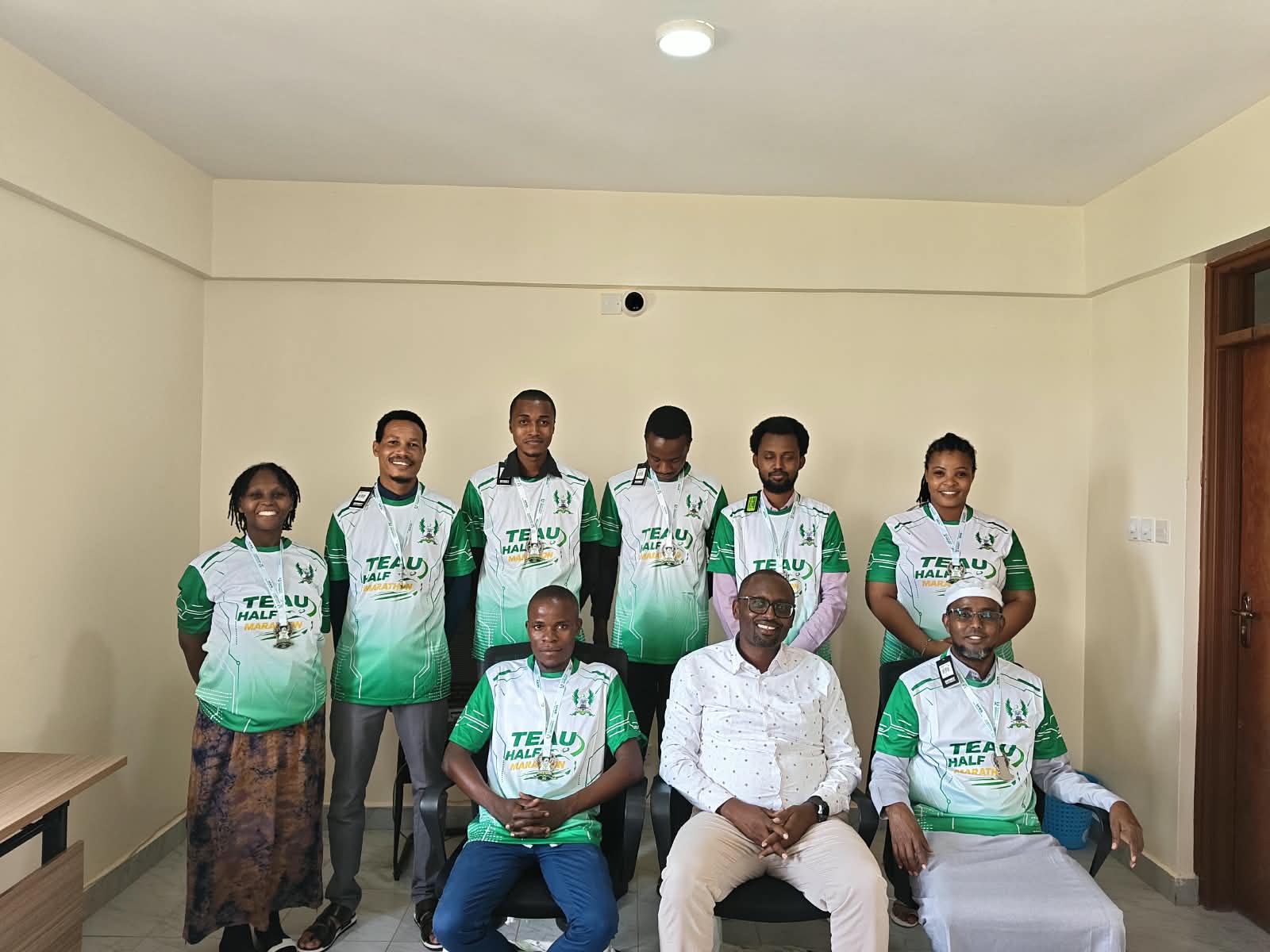
The Vice-Chancellor of the East African University (TEAU), Dr. Christopher Mutembei, PhD, undertook his first official visit to Wajir County on 8 October 2026, marking an important milestone in the University's commitment to expanding access to quality higher education, strengthening institutional partnerships and extending educational opportunities to communities across Kenya.
The visit, which included a strategic engagement with the management of Frontier Institute, provided an opportunity to explore academic collaboration, assess institutional capacity and identify practical pathways through which the University can contribute to human capital development in Northern Kenya.
Beyond the official engagements, the visit offered the Vice-Chancellor an opportunity to experience Wajir County firsthand, appreciate its remarkable beauty and reflect on the transformative potential of Kenya's devolved system of governance.
Discovering the Beauty and Transformation of Wajir
For Dr. Mutembei, the visit was particularly memorable because it was his first time travelling to Wajir County.
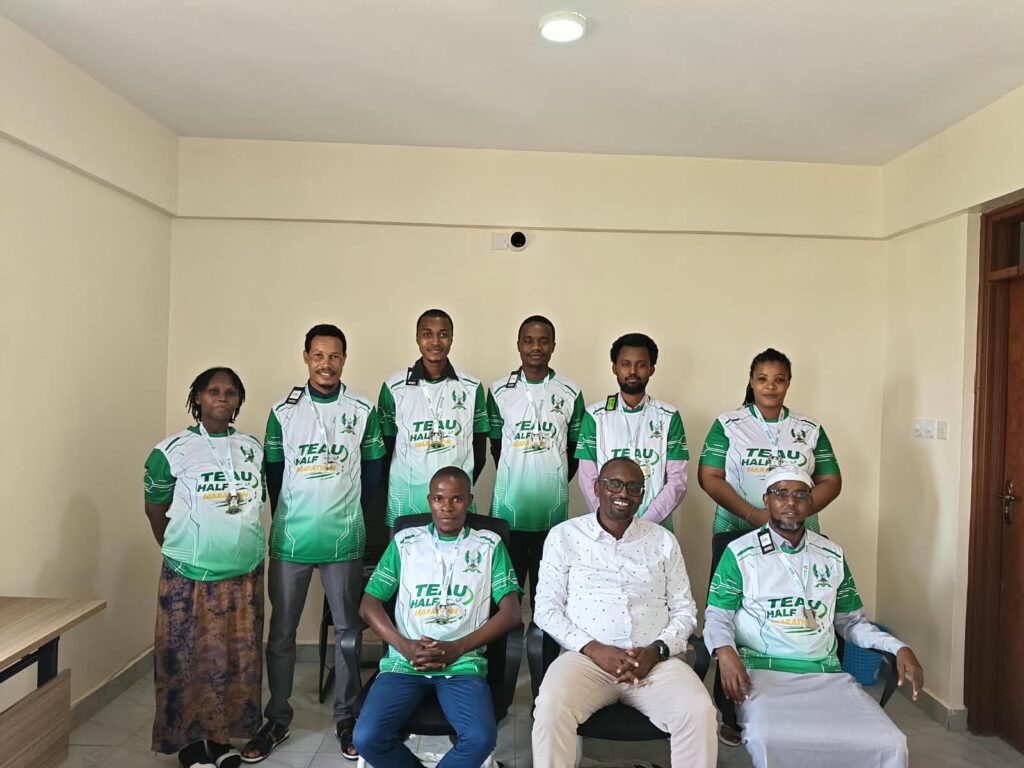
Determined to maintain his personal commitment to physical fitness, the Vice-Chancellor began his day with a 10-kilometre morning run, completed in approximately 59 minutes.
The early morning exercise became more than a fitness routine. It offered a unique opportunity to observe the county, appreciate its surroundings and reflect on the development taking place in a region often misunderstood by those who have never visited.
"During my morning run, I had the opportunity to experience Wajir from a different perspective. I was genuinely impressed by the beauty of the county, the welcoming environment and the visible signs of transformation. For someone visiting for the first time, it was a wonderful experience," Dr. Mutembei observed.
The experience reinforced his conviction that Kenya's counties possess enormous potential for economic growth, educational development, innovation and investment.
Devolution: Bringing Development Closer to the People
One of the most significant reflections arising from the visit was the role of devolution in transforming communities and creating new opportunities beyond Kenya's traditional urban centres.
Dr. Mutembei commended the progress witnessed in Wajir, noting that devolution has provided an important framework for counties to identify their development priorities and invest in the needs of their communities.
"Indeed, devolution is doing marvellous things. Visiting Wajir for the first time has reminded me that meaningful national development must be inclusive and geographically balanced. Every county has potential, and every Kenyan deserves access to opportunities regardless of where they live," he remarked.
He emphasised that the success of devolution should also be measured by its contribution to education, employment, entrepreneurship, healthcare and the empowerment of young people.
For universities, this creates an important responsibility to work closely with county governments, training institutions, communities and industry stakeholders to develop relevant skills and promote sustainable economic transformation.
Strengthening Academic Collaboration with Frontier Institute
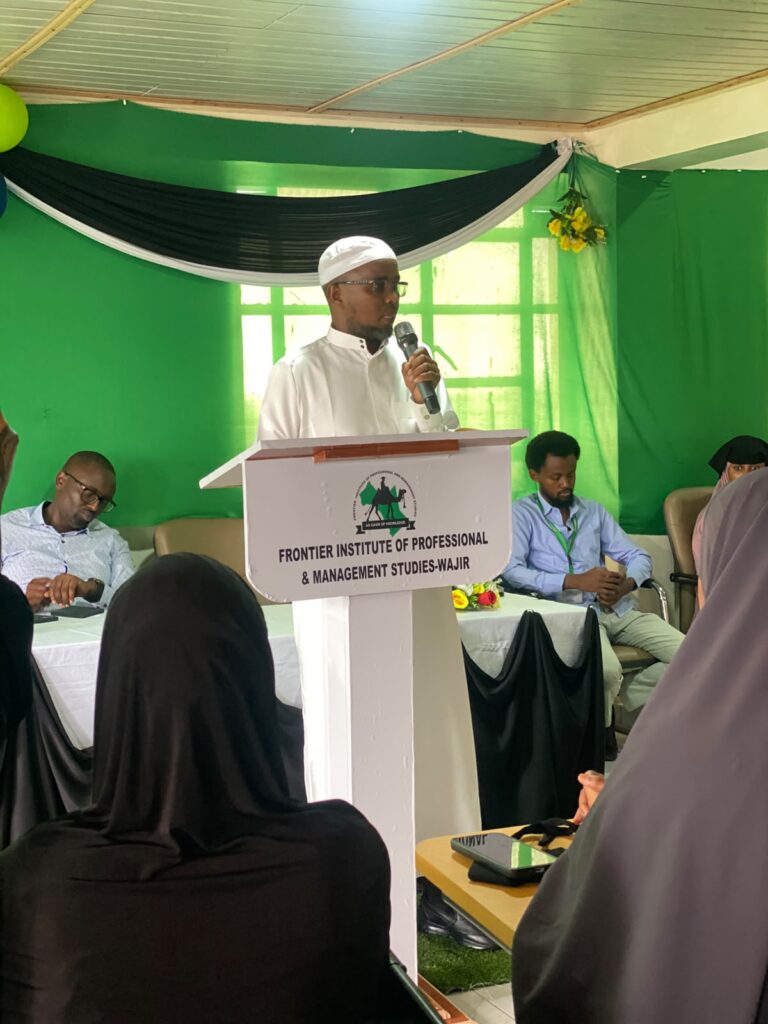
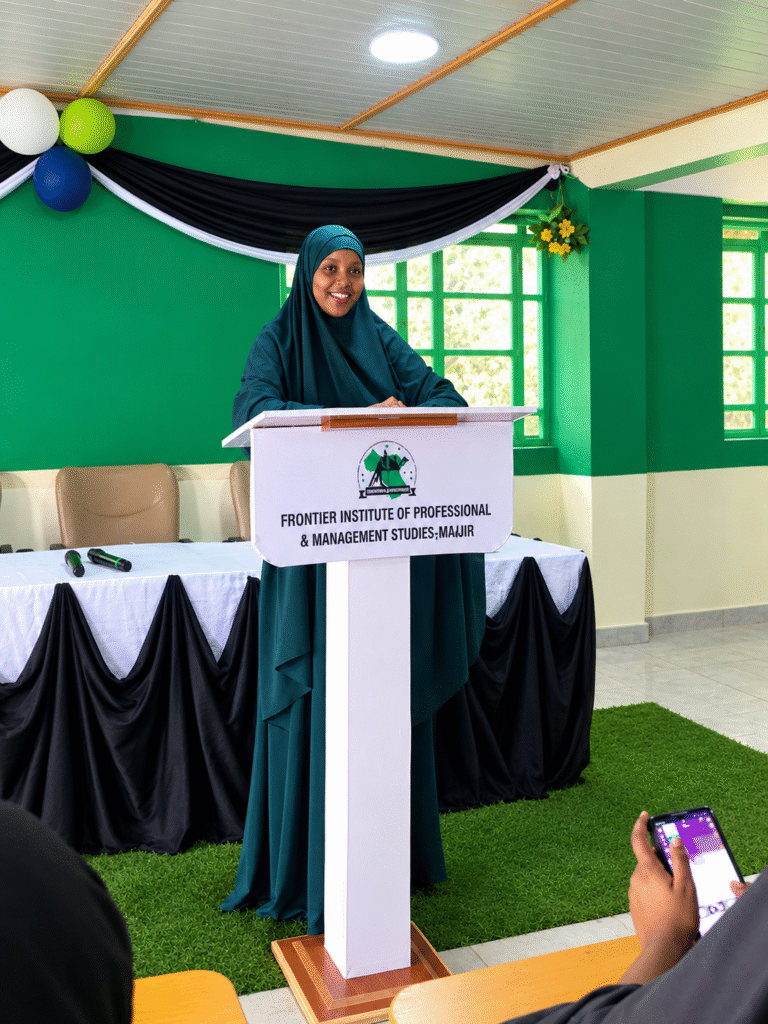
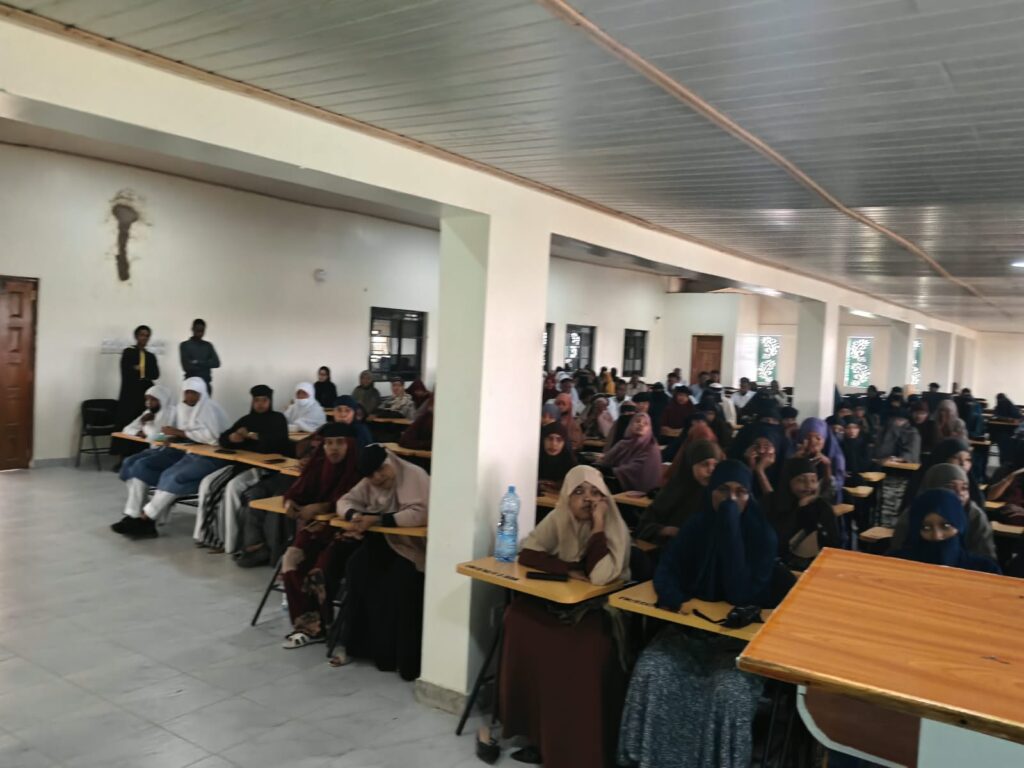
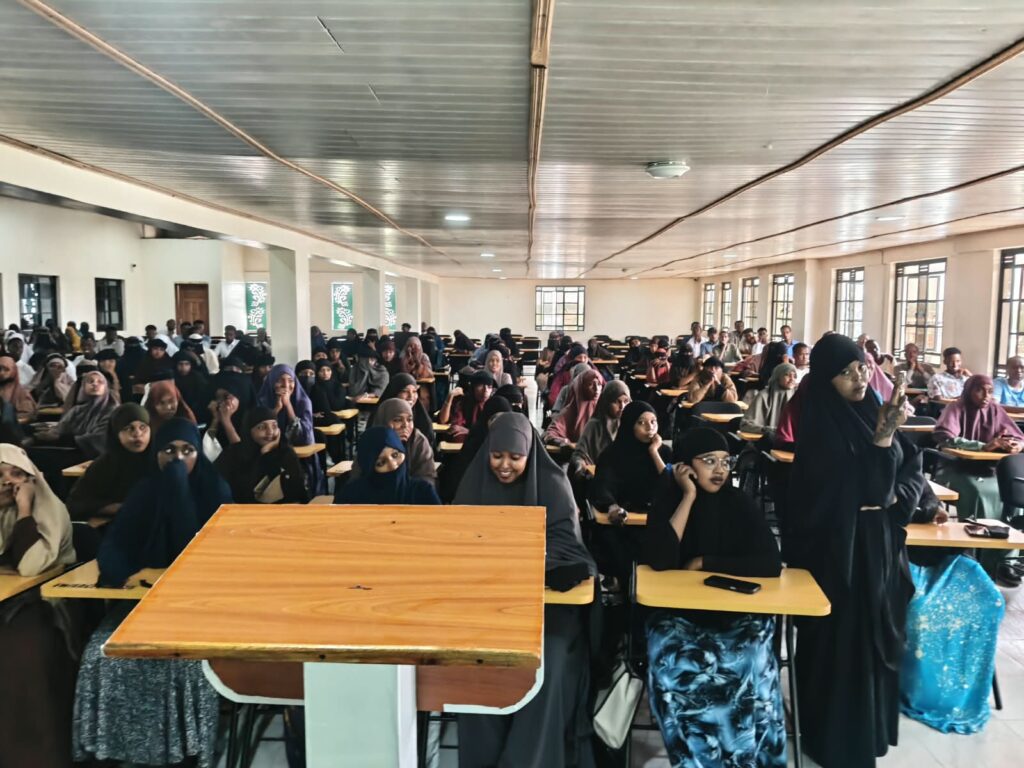
The central purpose of the visit was a strategic meeting with the leadership and management of Frontier Institute to discuss opportunities for academic collaboration with the East African University.
The Vice-Chancellor was warmly received by Mr. Ahmed Abdille, Manager of Frontier Institute, who hosted the University delegation and facilitated discussions with the institution's management team.
Dr. Mutembei expressed his sincere appreciation to Mr. Abdille and the entire Frontier Institute team for their hospitality, professionalism, and commitment to advancing education in the region.
"I wish to sincerely thank Mr. Ahmed Abdille and the entire Frontier Institute management for the warm reception and exceptional hospitality extended to me during my first visit to Wajir. Your commitment to education and the development of young people is commendable," he stated.
The meeting brought together senior representatives of Frontier Institute, including:
- Mr. Ahmed Abdille – Manager
- Mr. Franklin Odong'o – Principal
- Ms. Risper Cherono – Academic Registrar
- Mr. Emmanuel Ng'eno – Head of Department, Health and Social Science
- Mr. Erick Odiwuor – Head of Department, Business
- Mr. Abdihakim Alinoor – Head of Department, ICT
- Ms. Gloria Wambua – Examinations Officer
- Ms. Sahara Aden – Industrial Liaison Officer
- Mr. David Amani – Head of Department, Finance
Discussions focused on the potential for a structured, sustainable and mutually beneficial partnership, with particular attention to academic quality, regulatory compliance, student progression, institutional capacity and access to university education.

Expanding Higher Education Opportunities in Northern Kenya
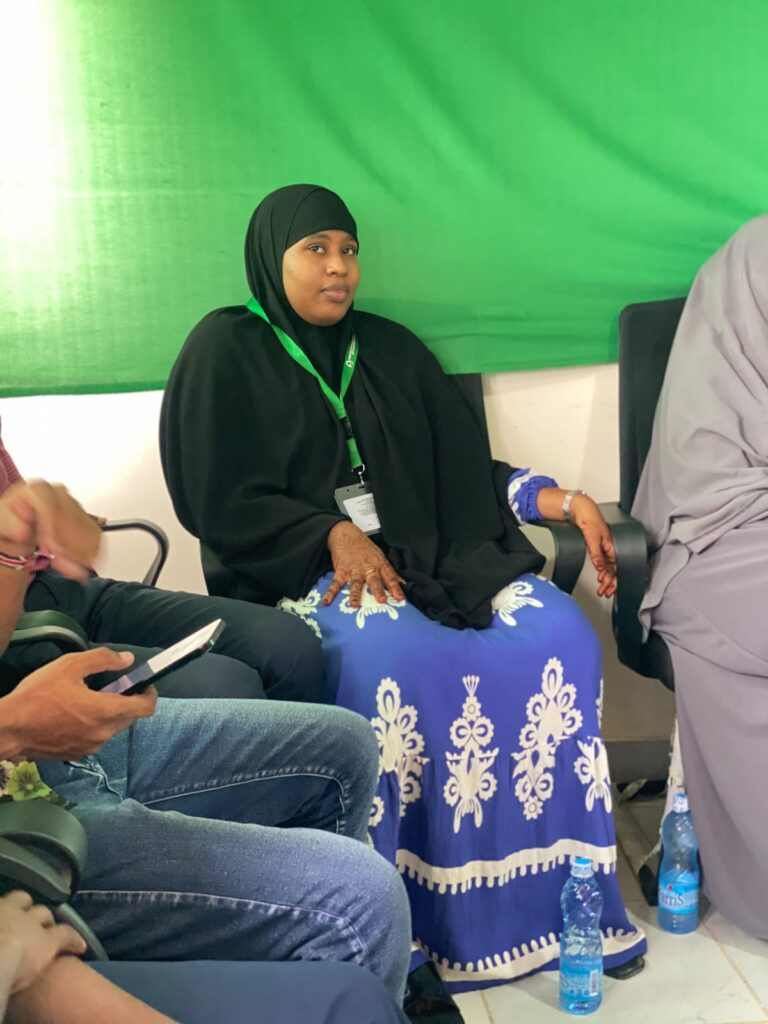
The East African University recognises that geographical distance, financial limitations and competing family or professional responsibilities can present significant barriers to higher education.
Through carefully structured institutional partnerships, the University seeks to create additional pathways for qualified students to access university programmes while maintaining the academic standards and quality assurance requirements expected of a chartered university.
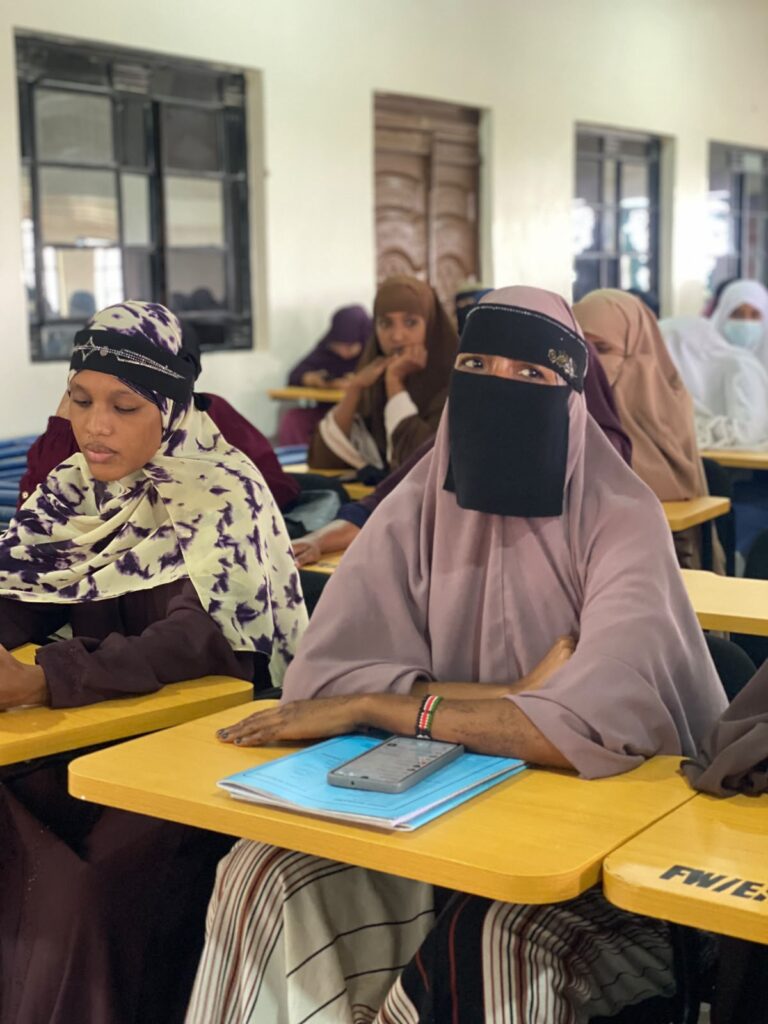
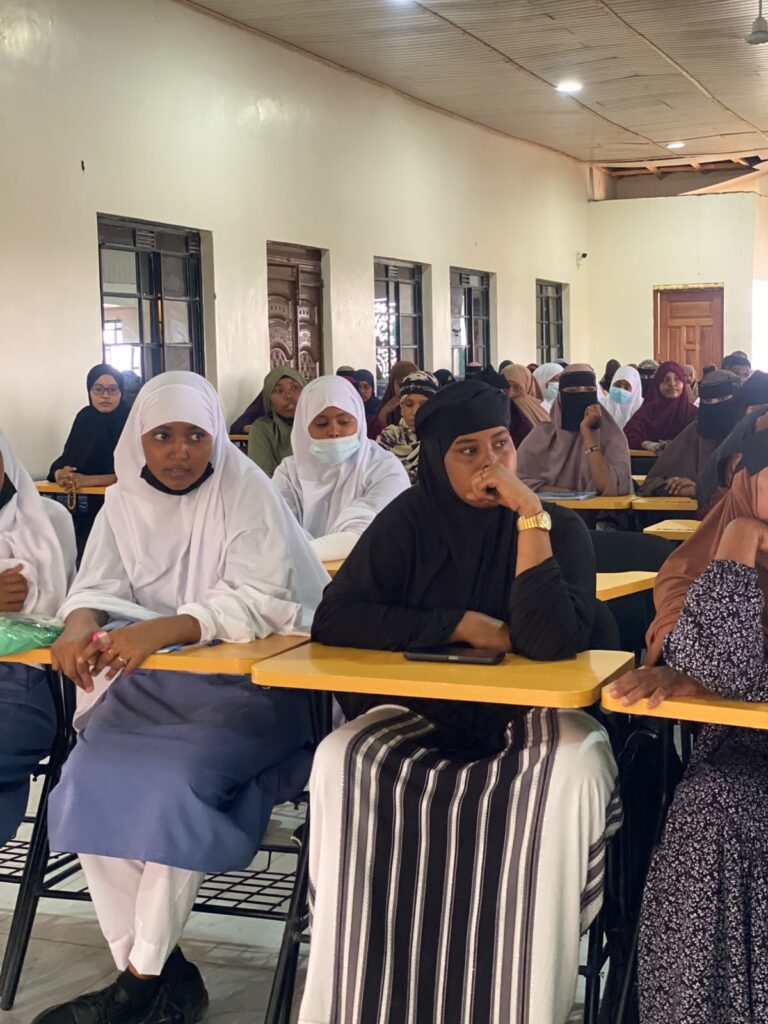
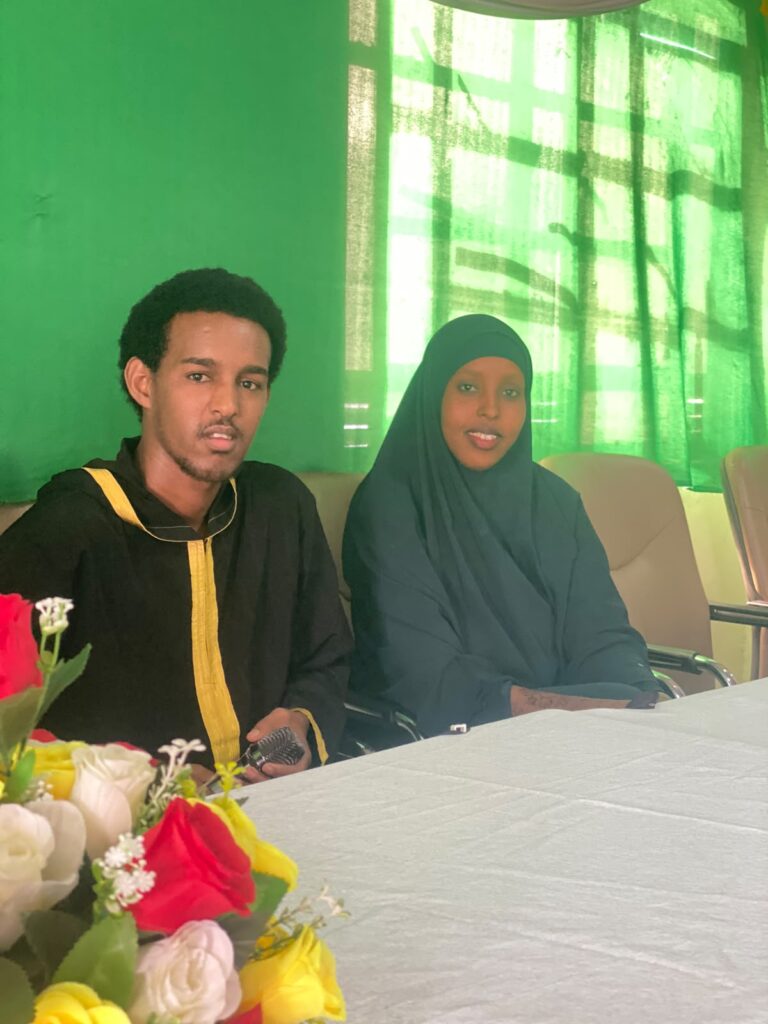
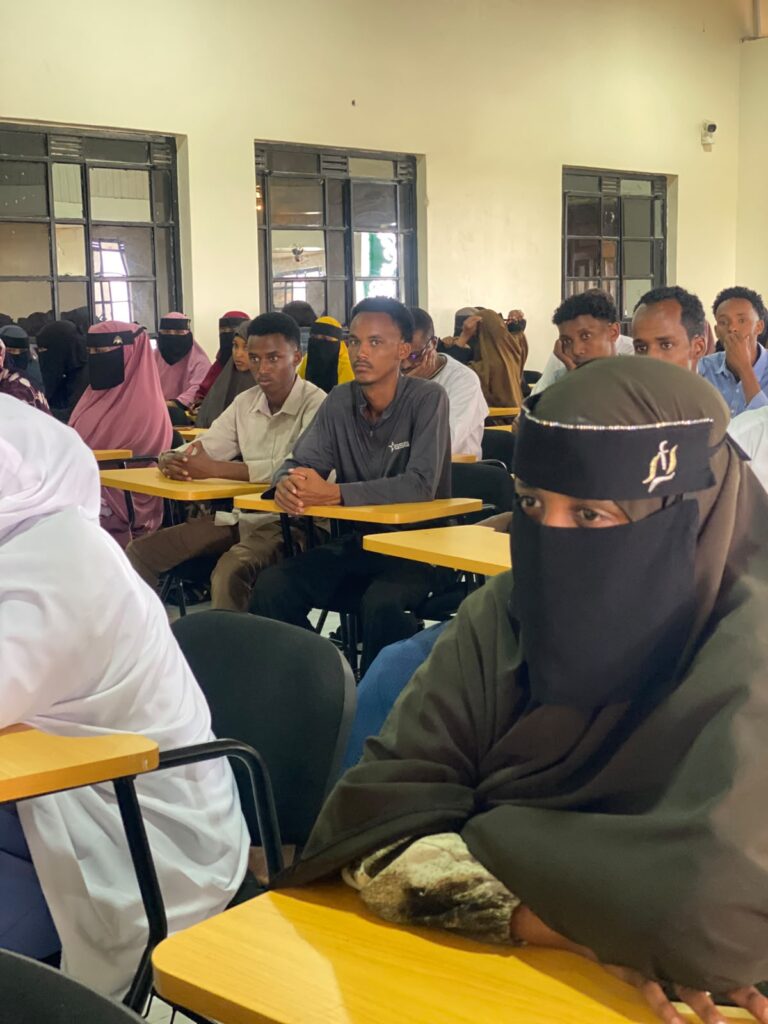
The engagement with Frontier Institute explored opportunities in areas such as academic progression, student recruitment and support, flexible learning arrangements, institutional capacity building and collaborative community outreach.
Any proposed academic collaboration will be subject to appropriate institutional approvals and the applicable requirements of the Commission for University Education and other relevant regulatory bodies.
Dr. Mutembei emphasised that the University's objective is not merely to increase enrolment but to ensure that students receive quality education, meaningful academic support and qualifications that prepare them for employment, entrepreneurship and further study.
"Our vision is to make quality higher education accessible to deserving students wherever they are. We must develop partnerships that respond to the realities of our communities while safeguarding academic excellence, institutional integrity and regulatory compliance," he noted.
Education as a Catalyst for Regional Transformation
Northern Kenya presents significant opportunities for human capital development, particularly in business, education, information technology, agriculture, entrepreneurship and community development.
The Vice-Chancellor observed that universities have an important role to play in helping communities convert their economic and social potential into sustainable opportunities.
He underscored the need for academic programmes that respond to local and national labour-market demands while equipping young people with the competencies required in an increasingly competitive and technology-driven economy.
The University also sees opportunities for collaboration in professional development, digital learning, research, innovation and entrepreneurship.
These priorities align with The East African University's broader commitment to providing relevant, accessible and transformative education.
A University Without Geographical Boundaries
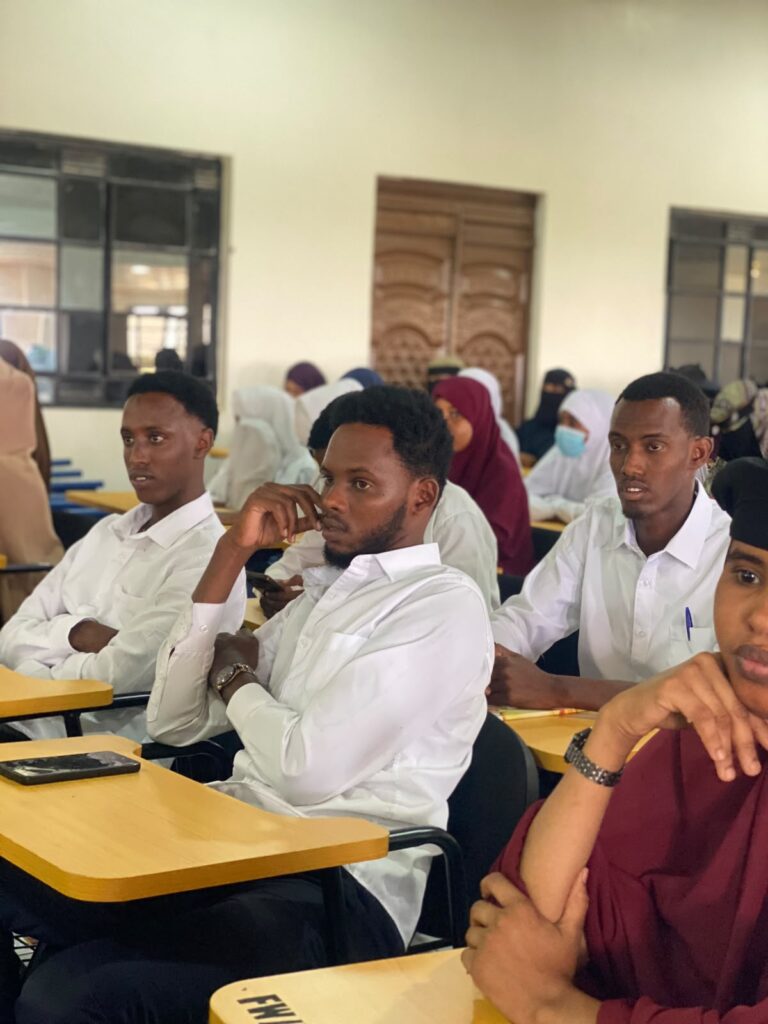
The visit to Wajir reflects the University's determination to establish meaningful partnerships across Kenya and the wider East African region.
Located in Kitengela, Kajiado County, the East African University continues to pursue institutional growth through academic innovation, strategic partnerships, digital transformation, and student-centred service delivery.
The University believes that its impact should not be measured solely by the number of students attending classes at its main campus, but also by the opportunities it creates for communities beyond its immediate geographical location.
Through responsible partnerships and flexible learning models, TEAU seeks to bring educational opportunities closer to learners while maintaining strong academic oversight and quality assurance.
Looking Ahead: From Engagement to Action
The discussions with Frontier Institute established a foundation for further institutional engagement and the development of a practical collaboration framework.
The next phase will involve reviewing relevant institutional documentation, assessing academic and operational readiness, identifying priority areas of collaboration and establishing clear responsibilities and implementation arrangements.
Particular emphasis will be placed on compliance, academic standards, student welfare, transparent communication and sustainable partnership management.
The Vice-Chancellor reiterated that successful partnerships must deliver measurable value to students, institutions and the communities they serve.
A Memorable First Visit
As the visit concluded, Dr. Mutembei reflected on the experience with appreciation and optimism.
What began as an official institutional engagement had also become a personal journey of discovery, offering fresh insights into the beauty, resilience and potential of Wajir County.
His morning run through Wajir, the warm hospitality extended by the hosts and the constructive discussions with Frontier Institute collectively made the visit a memorable experience.
"Wajir has left a lasting impression on me. I came to explore an academic partnership, but I leave with a deeper appreciation of the beauty of this county, the promise of devolution and the enormous opportunities that exist in Northern Kenya. I look forward to returning and, more importantly, to seeing our discussions translate into meaningful educational opportunities," Dr. Mutembei concluded.
The visit reaffirmed The East African University's commitment to building partnerships that empower communities, promote inclusive development and create opportunities for future generations.